WHO Updates Guidance on Oxygen Therapy in Low-Resource Settings
New recommendations focus on pulse oximetry, oxygen concentrator maintenance, and training protocols that can reduce mortality in emerging markets.
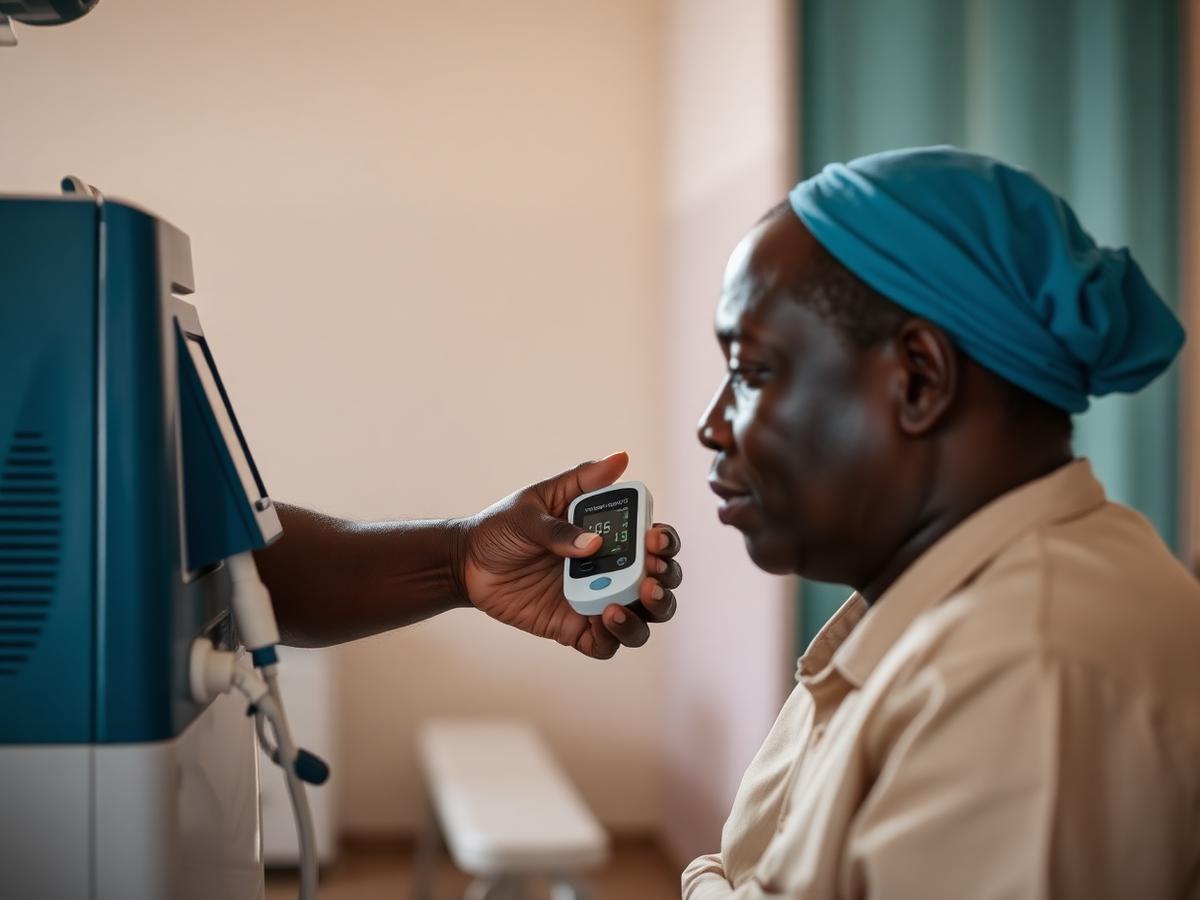
Updated international guidance places renewed emphasis on reliable oxygen delivery as a core component of hospital readiness, particularly in facilities with intermittent power supply.
Pulse oximetry at every bedside
Routine oximetry remains the most cost-effective way to identify hypoxaemia early. Guidance recommends availability at every point of patient assessment, including outpatient triage.
Concentrator maintenance matters
Filter cleaning, ambient temperature control, and voltage protection dramatically extend concentrator life. Facilities are encouraged to keep spare filters and surge protection on site.
Training and protocols
Structured training for nurses and clinical officers on titration, flow settings, and alarm response is highlighted as a key driver of reduced mortality.
What it means for procurement
Buyers should prioritise devices with proven tolerance for voltage fluctuation, locally available spares, and clear service documentation.