
How to Maintain Your Patient Monitors for Longer Life
Daily cleaning, cable management, and calibration schedules that keep bedside monitors accurate and reduce unplanned downtime.
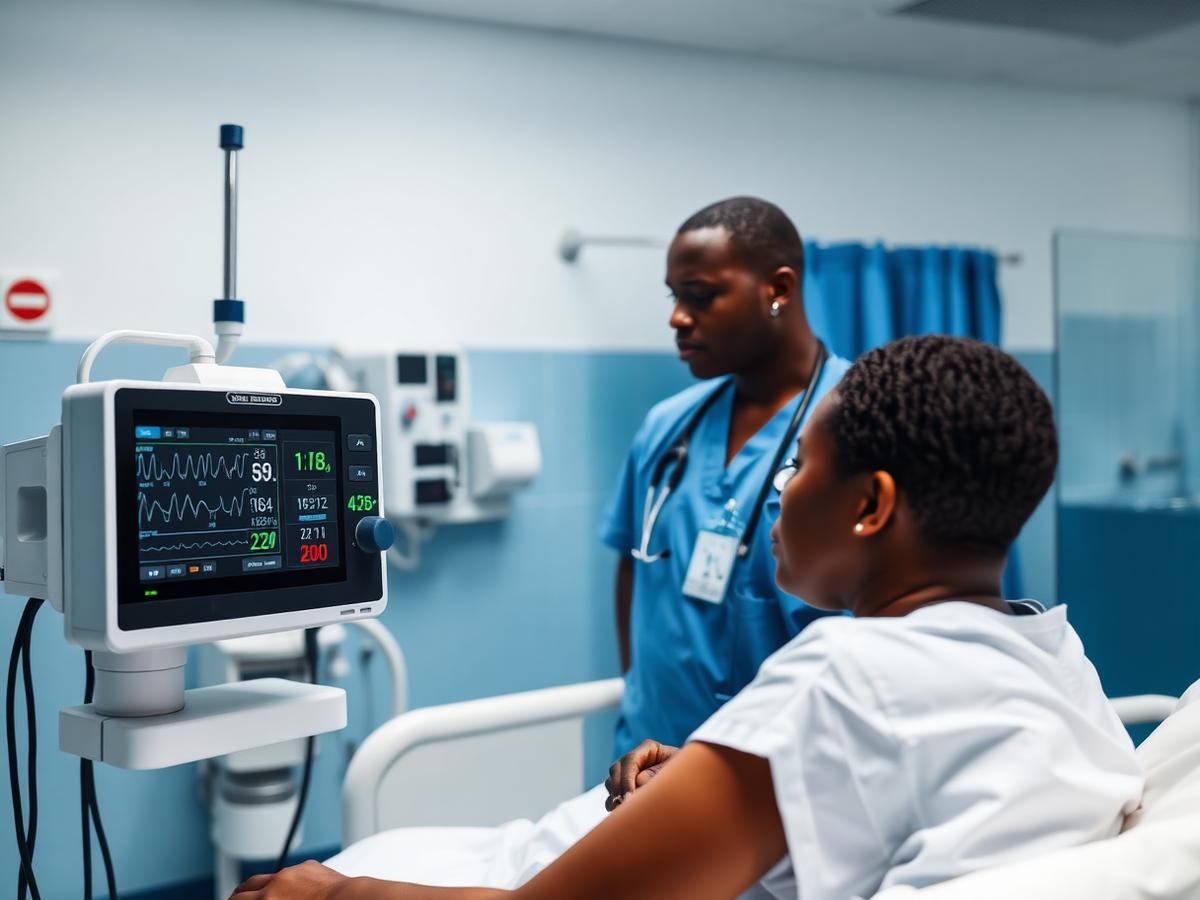
Bedside monitors are handled dozens of times a day, which makes them one of the most failure-prone devices in any ward. Most of those failures are preventable with a simple, consistently applied routine.
Clean correctly, not aggressively
Use manufacturer-approved wipes on screens and housings. Alcohol concentrations above the recommended level cloud displays and crack plastics over time. Never spray liquid directly onto a device.
Protect the cables
Cable and sensor damage causes the majority of monitoring artefacts. Coil leads loosely, avoid wrapping them tightly around the monitor, and replace any lead with cracked insulation immediately.
Keep calibration on a schedule
Non-invasive blood pressure and SpO2 accuracy drift gradually. A documented annual calibration and performance verification protects both patient safety and your audit record.
Log every fault
A shared fault log lets biomedical staff spot repeat offenders and decide when repair stops being economical.